A complete tech pack can make knitwear development considerably easier. It gives a manufacturer clear information about the design, measurements, materials and construction of a garment. But not every project begins with a finished set of technical documents. Some fashion designers approach manufacturers with detailed drawings, specifications and physical samples. Others begin with a reference photograph or an initial idea of how they want a garment to look and feel.
Both can be starting points for knitwear development, although they require different approaches. At VIA KNIT, a knitwear development and manufacturing company based in Dongguan, China, we work with international designer brands at different stages of their product development process. Our experience has shown that effective development begins with understanding what the designer already knows, what still needs to be decided and how the intended garment can be translated into a workable technical specification.
Why Is a Knitwear Tech Pack Important?
A tech pack is a collection of technical documents that communicates the design and manufacturing requirements of a garment. For knitwear, it may include technical drawings, measurements, yarn specifications, stitch structures, colours, trims and finishing instructions. However, knitwear development involves more than interpreting the appearance of a finished garment. The fabric itself must be constructed through the knitting process.
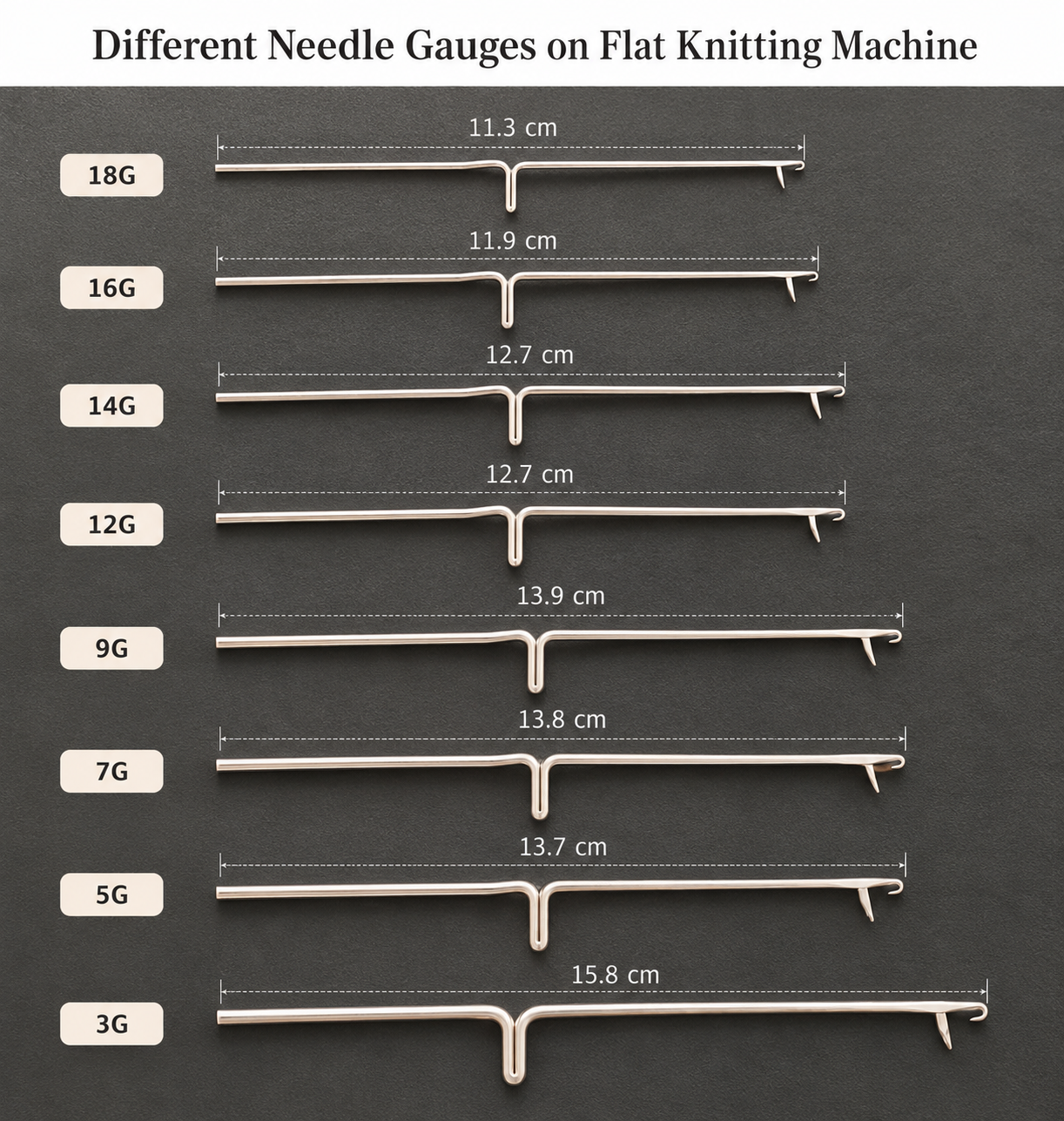
Even when two garments are made from 100% wool, differences in yarn count, machine gauge, stitch construction and finishing can produce noticeably different fabric weights, textures and handles. A designer may want to develop a lightweight knitted top with a soft surface and fluid drape. While this provides a useful design direction, it does not necessarily establish whether 14G, 16G or 18G is appropriate, or which yarn and construction should be used.
A good knitwear tech pack helps communicate these technical requirements. Where some details remain undecided, swatch development and sampling can help establish the final specifications.
What Should Designers Prepare Before Contacting a Knitwear Manufacturer?
In our work, we encounter designers with different levels of technical preparation. Established brands often provide detailed drawings, measurements, yarn requirements and construction notes. Some also send physical reference garments. For these projects, the manufacturer's role is primarily to understand the specifications accurately and translate them into the intended product. Emerging designers may begin with far less information.
They may have a reference image, an initial concept or a particular fabric feeling in mind without knowing how to describe it in technical terms. At VIA KNIT, we do not require every prospective client to have a complete tech pack before an initial discussion. A reference image, a general description of the product and an estimated order quantity can provide a useful starting point.
However, the necessary material, measurement and construction details must still be clarified before a sample can be developed properly.
Can Knitwear Be Developed from a Reference Image?
Yes, although development usually involves more than reproducing what appears in a photograph. The first step is understanding which aspects of the reference matter most to the designer. One client may be interested in the silhouette, while another may be focused on the fabric texture or the way the garment drapes. These different objectives can require different yarns and knitting constructions.
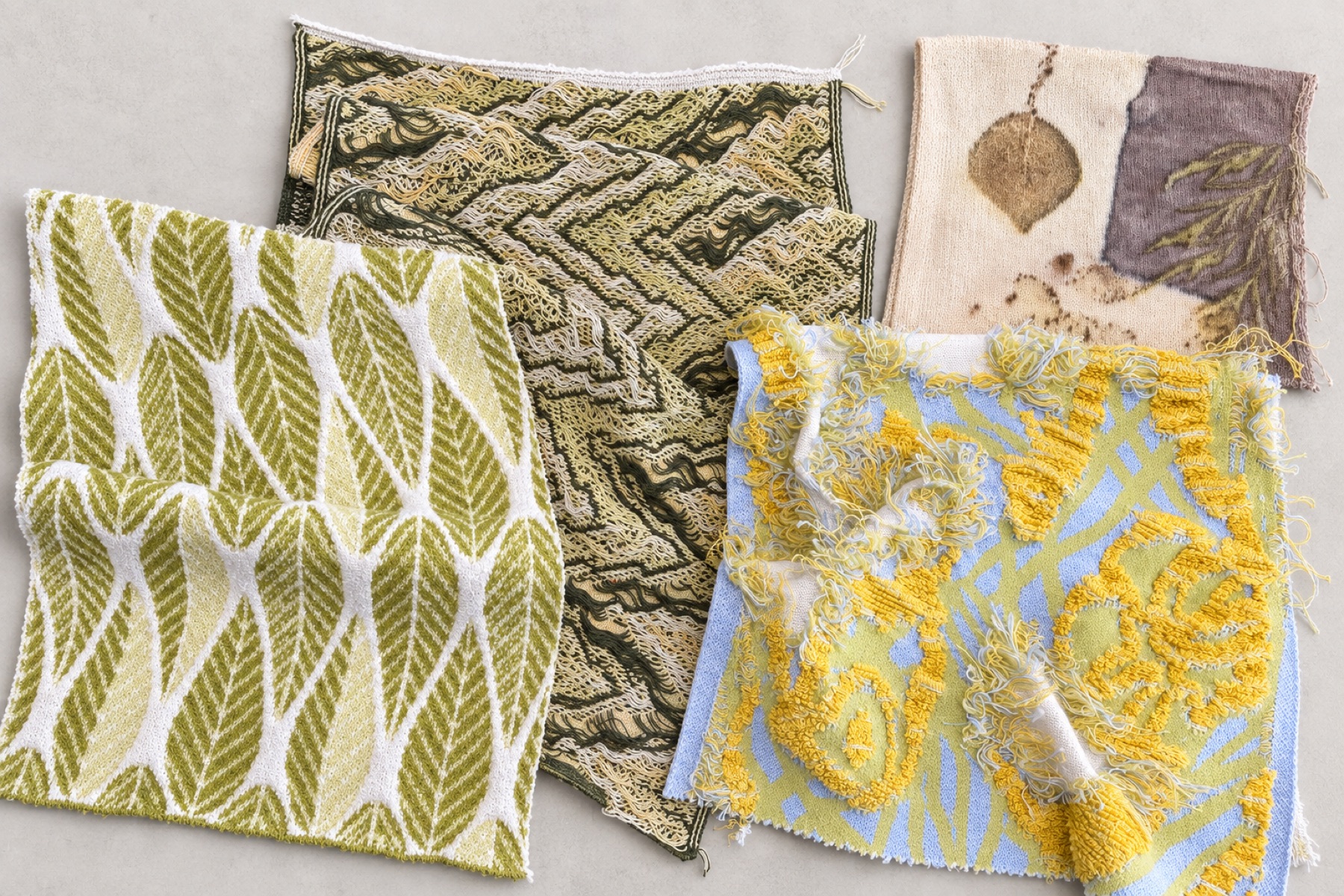
Once we understand the intended direction, VIA KNIT can recommend suitable yarn options and prepare knitted swatches for comparison. The designer can then evaluate the physical samples, comparing their softness, weight, texture, drape and overall appearance. This process can be particularly valuable for designers who are new to knitwear. A photograph may communicate the visual character of a garment, but it cannot fully convey how the fabric feels in the hand or behaves when worn.
In our experience, confirming the yarn and fabric direction before producing a complete garment can help establish a clearer foundation for further development. Once the client approves the material and swatch direction, the project can move towards more detailed stitch development and garment sampling.
Who Decides the Yarn, Gauge and Stitch Construction?
For experienced knitwear designers, yarn, gauge and construction may already be specified. The manufacturer then needs to assess whether those requirements are appropriate for the intended product and production process. When a designer has not yet defined the technical details, the manufacturer can help explore suitable options. For example, a client developing a soft, close-fitting knitted base layer may benefit from comparing different yarn and gauge combinations.
However, choosing a higher machine gauge does not automatically guarantee a better garment. Likewise, a finer yarn does not necessarily provide the most suitable fabric for every design. The important consideration is how the yarn, gauge and stitch construction work together to create the intended result. Sometimes the designer begins with a specific material and the manufacturer develops an appropriate construction around it.
In other cases, the desired garment characteristics are known, while the material and knitting method still need to be explored. Knitwear development often involves moving between these decisions rather than following a fixed sequence.
How Does VIA KNIT Develop the First Sample?
When a client submits a design brief, VIA KNIT begins by reviewing the project requirements and assessing the materials and technical feasibility. Yarn selection and swatch development follow according to the needs of the design. After the client has confirmed the material and fabric direction, the technical team can continue evaluating the relevant stitch structures and production methods. For certain constructions, a smaller technical sample may be developed before proceeding to a complete garment.
VIA KNIT has an internal technical team with specialised responsibilities. Knitwear pattern technicians prepare the technical calculations and knitting specifications required for garment development. Flat-knitting programmers develop machine programs based on those requirements, while machine technicians and operators carry out the knitting process and support technical adjustments.
Once the knitted components are ready, they proceed through the necessary linking, seaming, special workmanship and finishing operations. The completed sample is then prepared for the client's review. The exact sequence depends on the garment and its complexity. Our aim is to clarify the important material and construction decisions before committing to a complete sample wherever practical.
How Long Does the First Knitwear Sample Take?
For a relatively straightforward knitwear style, the first sample generally takes approximately one to two weeks. This period does not begin when the client first sends an enquiry. At VIA KNIT, the sampling lead time begins after the client has confirmed the necessary design information, yarn, fabric direction and technical requirements, and has authorised us to begin making the first sample. Earlier discussions, yarn selection and swatch approvals are not included in this period.
More complex stitch constructions, special workmanship or additional development requirements may extend the timeline. We believe it is important to distinguish preliminary product development from the actual first-sample production period so that both parties have a clear understanding of the schedule.
Why Do Some Samples Require More Revisions Than Others?
The number of sample revisions often reflects how clearly the product has been defined before sampling begins. Experienced knitwear designers may already have a strong understanding of the required yarn, fit, construction and finishing. Their first sample may therefore be relatively close to the intended result. Later adjustments may involve small measurement changes, additional colours or specific workmanship details.
For less experienced designers, the first sample can also be part of discovering what they really want to create. After seeing the garment, they may reconsider the yarn, machine gauge, stitch construction or overall silhouette. This is one reason why early swatch development can be valuable. Confirming the fabric direction before producing a complete garment may help reduce unnecessary revisions later.
However, the number of sampling rounds always depends on the specific design, technical requirements and client decisions.
Development Story: An Emerging US Designer Starting with a Reference Image
An emerging American designer once approached VIA KNIT with a reference image rather than a complete tech pack. She had an initial idea of the garment she wanted to create, but the yarn and fabric construction had not yet been fully defined. We began by discussing the overall design direction and the characteristics she wanted the finished product to have. Based on these conversations, we selected several yarn options and prepared knitted swatches for her review.
After receiving the swatches, she was able to compare the different materials and gradually identify the fabric direction she preferred. We then continued discussing stitch construction and technical development. The project eventually progressed into a production order. What made this experience meaningful was not simply that the client placed an order. It was the process of helping a designer with limited knitwear development experience turn an initial visual reference into a clearer and more defined product.
For emerging brands, physical yarn and fabric comparisons can be an important part of discovering the right development direction. This case is presented anonymously. No proprietary client designs or confidential technical documents are reproduced.
Development Story: Repeat Production for an Experienced Danish Designer
A Danish designer approached VIA KNIT with a well-developed concept, detailed technical drawings, measurements and clearly defined yarn requirements. Unlike the previous project, the design direction was already established. Our responsibility was to understand her specifications accurately and support the required fabric quality, workmanship and finishing details.
Following the initial development and production, the client continued placing repeat orders for the same style over a period of approximately three years. This experience reflects a different kind of manufacturing relationship. An experienced designer does not necessarily need a manufacturer to propose more design ideas. What matters is understanding the established specifications, executing the required details and supporting the continued production of the product.
Different clients may need different levels of development support, but accurate communication and attention to quality remain essential.
How Are Knitwear Sampling Fees Calculated?
Knitwear sampling involves more than making a single garment. Depending on the project, the work may include yarn preparation, swatch development, stitch evaluation, technical calculations and flat-knitting programming. These activities require materials, technical expertise and production resources, even when only one sample is produced. For this reason, sampling at VIA KNIT is a paid development service.
Sample charges generally include yarn preparation and sampling workmanship. The final amount depends on the yarn, stitch construction and complexity of the garment. For qualifying bulk orders, VIA KNIT offers a sample-fee credit. When a client places a single bulk production order of 300 pieces or more for the same style, the initial sample fee can be credited against that order's production invoice. Separate orders or subsequent repeat orders cannot be combined to meet the 300-piece threshold.
Sampling charges and applicable credit terms are confirmed before development begins.
What Should Designers Look for in a Knitwear Development Partner?
Finding the right knitwear manufacturer involves more than comparing machine capacity or production quotations. For a designer who has not yet completed the technical specifications, the manufacturer's ability to understand the design and recommend suitable materials can be particularly important. For an established brand with detailed documentation, accurate technical interpretation and consistent execution may matter more.
VIA KNIT supports yarn sourcing, gauge selection, stitch development, knitted swatches, technical pattern development, prototype sampling, fit adjustments and preparation for bulk production. The extent of support depends on the information already available and the technical requirements of the garment. We believe a good development relationship should respond to the designer's actual needs rather than require every project to follow exactly the same path.
From Design Idea to Production-Ready Knitwear
A complete tech pack can make development more efficient, but it is not the only starting point for creating a knitted garment. For experienced designers, detailed technical documentation allows the manufacturing team to focus on accurate execution, workmanship and quality. For emerging designers, yarn exploration, swatch development and technical guidance may be more valuable at the beginning. In either situation, the objective is the same.
To turn the initial design idea into a clearly defined knitted product with suitable materials, workable construction and confirmed specifications. Good knitwear development is not simply about making a design. It is about understanding how that design should be made.
Have a Knitwear Design in Mind?
Whether you have a complete tech pack or are starting with a reference image, VIA KNIT can help you evaluate the development requirements of your project. Share your design references, material preferences and estimated quantities with our team.